Pain is among the most pain management training courses typical reasons people call a rescue. In the back of a relocating lorry, with tools rattling and no warranty of a fast healthcare facility handover, the standard you set in those initial mins shapes the client's trajectory. The system PUAEME008 Offer Pain Administration outfits responders to evaluate, deal with, and re‑assess pain safely in the pre-hospital context. It mixes clinical judgment with functional self-control. The results are concrete: less call for help on scene, smoother extrication, more secure transportation, and enhanced patient contentment. For several medical professionals, it also functions as a foundation step into more comprehensive discomfort management courses and certificate pathways that branch out practice past emergency care.
This overview unpacks the skills, analyses, and outcomes that PUAEME008 expects. It connects those expectations to everyday work, and it indicates reasonable training routes, whether you are a paramedic in a country station, a registered nurse relocating right into event medication, or a physio therapist looking for competency in emergency situation pain monitoring for sporting activities coverage. The emphasis stays on what actually functions when time is short and the photo is messy.
What PUAEME008 Covers and Why It Endures
The device sits within public security and emergency situation management training bundles in Australia. Its scope is deliberately functional: risk-free, timely, and moral administration of discomfort alleviation in the area. Graduates need to have the ability to review discomfort, select the right technique, provide within range, screen result, and rise when required. The unit sustains carriers that may encounter a kid with a broken lower arm at a sporting activities oval, a farmer with a crush injury in a shed, or an older adult with a hip fracture on a cold restroom floor.
It is not a pharmacology lecture disguised as an expertise. You will certainly discover analgesic options appropriate to your extent, but you spend as much time on client evaluation and atmosphere control as on dosing graphes. The greatest practitioners come to be ingenious at collecting the minimum information needed to act without missing warnings. They maintain methods at their fingertips, yet they customize to the person before them.
PUAEME008 likewise serves as a bridge. Lots of that finish it later go after a pain administration certification training course or pain monitoring certification that widens to persistent and step-by-step discomfort. Others sew it right into a mosaic of brief programs hurting monitoring and advanced life assistance, developing a profile that fits occasion health and wellness, extracting sites, or retrieval services. Since the system straightens with a narrow yet important piece of care, it keeps its value throughout settings.
Assessing Discomfort When Time and Area Are Tight
The assessment series is more than a range. It is an organized conversation, visual check, and fast physical exam that catches both the severity and the pattern.
You start with the individual's words. Ask open, then concentrated questions: Where is the pain, what does it seem like, when did it start, what makes it worse or better? If you are utilizing a numerical ranking range, set context. I will ask you to rank your pain from absolutely no to 10, where zero is no discomfort and ten is the most awful you can picture. Even experienced medical professionals miss this sentence, and individuals respond with a number that does not match their internal benchmark. In youngsters, usage encounters scales or straightforward descriptors. In nonverbal grownups, stitch with each other taking a breath pattern, vocalization, facial tension, muscle mass guarding, and important sign trend.
You correlate the tale with visuals and palpation when appropriate. Search for asymmetry, defect, tense areas, pallor, cyanosis, and swelling that breakthroughs throughout your time on scene. Relocate joints proximally and distally just if it does not intensify harm. Consider an additional study when the device recommends covert injuries. I once dealt with a patient who focused on shallow forearm pain after an autumn, just for a fast hips rock and leg-length check to disclose a much more significant hip injury. The discomfort they report is not always the discomfort that will kill them.
Vital indicators issue, however they can deceive. Hypertension and tachycardia can mirror discomfort, fear, or hypoxia. On the other hand, a well-conditioned athlete might show marginal change despite extreme pain. Enlightened pattern recognition aids: a moaning person with a stiff abdomen and a heart rate increasing from 90 to 110 frequently needs fast transportation and cautious analgesia, not prolonged probing.
Consciousness and cognition belong to the analysis. A head-injured person who can not track an easy conversation can not dependably self-report. Change your evaluation strategy and recruit a caretaker, yet avoid letting third parties overwrite the person's own understanding if the individual has the ability to communicate.
Pharmacological Options Within Scope
The device recognizes that extents vary. A standard responder may have dental or inhaled alternatives; advanced suppliers may bring IV or IO representatives. The task is not to remember every drug on the marketplace, but to master risk-free use of those you carry.
- Methoxyflurane: A staple in many pre-hospital packages for modest to extreme pain, specifically musculoskeletal injuries. Quick beginning, non-invasive, and patient-controlled inhalation. Trick teaching points consist of preventing overexposure during long term use, making certain ample ventilation in constrained areas, and avoiding usage where deadly hyperthermia threat or significant kidney problems is thought. For anxious clients, the act of holding the inhaler adds a feeling of control that usually reduces the total distress curve. Oral anesthetics: Paracetamol and NSAIDs continue to be workhorses for mild to modest pain if the individual can swallow and has no contraindications. Splinting plus dental analgesia can decrease transportation discomfort for simple fractures. Look for timing, cumulative dose with person's self-medication, and NSAID warns in kidney disease, peptic ulcer, and bleeding risk. Nitrous oxide/oxygen mix: Useful for step-by-step pain like manipulation or extrication. It requires devices checks, proper scavenging, and attention to people with pneumothorax or bowel obstruction where gas expansion provides risks. The brief half-life enables quick review after the procedure. Opioids: Morphine and fentanyl prevail at innovative levels. They remain reliable for serious pain when titrated to impact, particularly in trauma. The pre-hospital context boosts the relevance of air passage caution, cumulative sedation with alcohol or benzodiazepines, and incremental dosing with clear endpoints. Fentanyl's hemodynamic security often makes it a recommended choice in hypotensive injury. In older adults, start with smaller sized increments and extend your reassessment periods a touch longer. Ketamine: In sophisticated methods, low-dose ketamine supplies solid analgesia with very little respiratory anxiety. It shines in hypovolemia, burns, and caught people. Appearance phenomena are unusual at analgesic dosages yet can be alleviated with silent coaching and, if extent allows, a little benzodiazepine accessory. Prevent the temptation to rush the dose; a slow press over a number of mins smooths the ride.
The heart of PUAEME008 is safety and security. Whatever representative you pick, confirm five rights, check for allergies and substantial comorbidities, document batch numbers where needed, and display oxygenation, ventilation, perfusion, and psychological status. Never allow a syringe secure your focus more than the person's chest increase and fall.
Non-Pharmacological Steps That Outperform Their Reputation
An unexpected amount of discomfort accept standard measures that require no prescription. Rigid splinting for long-bone cracks, sling and swathe for shoulder injuries, gentle traction and alignment within extent, and cushioning bony importances all matter. With burns, very early cooling with amazing, not cold, water for as much as twenty mins improves discomfort and outcomes, however do not delay transportation for prolonged cooling on deep or substantial burns.
Positioning remains an effective device. Individuals with abdominal pain typically prefer knees flexed. Breast pain clients normally select a semi-Fowler placement that alleviates shortness of breath. Respect their chosen pose unless it conflicts with other priorities like back protection.
Psychological support modifications physiology. Talk in stable tones, established assumptions, and tell your actions. On a rural roadway after a rollover, I invested 2 mins defining specifically what the splint would certainly seem like as I applied it. The patient's respiratory system rate reduced from 28 to 20 before we touched the limb. PUAEME008 treats such interaction as a proficiency, not a soft add-on.
Cold and warmth treatments depend upon the injury. Ice decreases swelling and discomfort in intense strains and stress, ideally covered to stay clear of skin injury. Heat can help muscle spasm, but prevent it in severe injury or where swelling is developing.
Special Populaces, Refined Differences
Children translate pain through family members cues and setting. A parent's face will certainly matter more than your uniform. Come down to eye level, show the mask or inhaler initially, and let them touch non-threatening tools. Dosage medicines on weight, not age, and verify numbers with caretakers and your referral. Procedural pain increases considerably in kids, so plan analgesia prior to cannulation or crack adjustment. Take into consideration that dehydration accelerates medication effects and negative effects. Reassess commonly and record actions, not simply numbers.
Older grownups offer a different challenge. They might under-report pain or stabilize it. Polypharmacy and comorbidities increase threat. Examine for delirium and cognitive disability. Stay clear of opioid piling with existing sedatives, and titrate gradually. For hip fractures, mild alignment and grip, plus a warmth pack to the lumbar region for muscle mass relaxation, can save an opioid dosage or more. In the presence of kidney condition, be cautious with NSAIDs.
Pregnancy complicates pharmacology and positioning. Lateral tilt past mid-second trimester safeguards venous return. Several solutions prefer fentanyl or low-dose morphine over NSAIDs in late maternity. Stomach discomfort in pregnancy is worthy of a low limit for transportation and consultation.
Patients with compound usage conditions are worthy of the same rigor as anyone. Prevent stigmatizing language. Titrate to effect, paper fairly, and maintain safety and security via positioning and tracking. Mixed intoxication with alcohol can mask hypoventilation, so establish a high bar for pulse oximetry and capnography where available.
Scene Administration and Team Coordination
Emergency pain monitoring does not occur in a vacuum cleaner. The device expects you to incorporate analgesia with scene safety and security and logistics. If extrication is pending, plan your analgesic home window so pain alleviation peaks during movement. On a steep driveway with a breakable shoulder dislocation, we changed timing so methoxyflurane gotten to impact right as the patient transitioned to the scoop stretcher.
Agree on functions. One medical professional takes care of the airway and checks sedation level. The other connects dosing out loud and papers. Closed-loop communication prevents double application, specifically when syringe swaps happen under stress and anxiety. Alert receiving facilities to medicines offered, timing, and effect so they can improve your strategy as opposed to repeat or turn around it.
Equipment checks are not busywork. A missing mouth piece, a vacant nitrous cylinder, or a dead suction battery can hinder good objectives. Many teams use brief tactile checks at change start: turn the valve, feel the circulation, click the capnography wire, squeeze the bag. Pain administration training programs usually construct these routines right into simulation scenarios to make them automatic.
Documentation that Tells the Story
A crisp story supports person safety and legal security. Graph preliminary pain descriptors, scale rating, and place. Create what you gave, how much, when, and why you chose it. Include non-pharmacological procedures, client positioning, and splinting method. Reassessments should review like a timeline: 14:12 fentanyl 25 mcg IV, 14:16 pain 8 to 6, RR 18, SpO2 98 percent on 2 L. Stand up to the urge to document just numbers. Actions, face, and function provide richer detail. Patient able to bear weight with aid at 14:29 brings even more significance than a lone score.
When discomfort remains refractory, note what you eliminated and your acceleration steps. If you got in touch with clinical control or senior clinicians, list their support. In multi-agency events, share a recap with on-scene managers to prevent treatment gaps.
Training Pathways: From Device Competency to Certification
Many service providers begin with PUAEME008 as a targeted stepping stone. It supplies a functional toolkit you can make use of the following shift. From there, people split based upon function and interest.
- Pain administration training for nurses: Registered nurses in immediate care, perioperative setups, or remote centers often include sophisticated assessment, step-by-step analgesia, and titration methods. Discomfort management courses for registered nurses occasionally include modules on multimodal therapy and opioid stewardship tailored to nursing range. Certification programs might pile PUAEME008 with injury treatment, IV therapy, and sedation competencies. Pain management training courses for physiotherapists: Physios who cover sporting activities events or work along with emergency situation groups benefit from acute pain structures, splinting, and non-pharmacological strategies. These discomfort monitoring training programs respect the physiotherapy scope while showing clear referral sets off. Combination with trauma and spinal analysis modules is common. Provide discomfort management program for pre-hospital professionals: Ambulance services and event medicine carriers run short training courses suffering management, typically aligned to PUAEME008 offer discomfort administration. They concentrate on inhaled representatives, nitrous, and opioid titration with extensive respiratory tract surveillance. The far better programs consist of nighttime and cramped-space simulations. Pain management certification and accreditation pathways: If you wish to expand past acute care, try to find a certification program hurting administration that resolves intense, chronic, and cancer cells discomfort. A pain monitoring certification program commonly covers neurobiology, psychology of pain, practical analysis, and pharmacology across the continuum, plus communication skills and honest factors to consider. Some programs identify prior picking up from PUAEME008 and shorten your path.
Not all pain administration programs are equal. Assess program hours, professors experience, simulation realism, and post-course support. Ask whether situations show your technique setup. I favor programs that consist of failed-response circumstances and gray-zone decisions, not simply book fractures.
The Skill of Titration and the Art of Timing
Titration separates certain companies from reluctant ones. The objective is not lack of pain, however acceptable discomfort that maintains security and function. For many injury clients, relocating from a 9 to a 4 or 5 lets you splint and transportation without misting the respiratory tract. That balance takes dosages in tiny actions and pauses for effect. Fentanyl peaks quick, ketamine a little bit slower at analgesic doses, and oral agents lag by tens of minutes. Your plan must respect these pharmacokinetics.
Timing matters as high as the overall dose. If you will certainly carry a patient down three flights, peak result should come to the landing, not at the aesthetic. For procedural actions like shoulder decrease, choice either fast titration of a short-acting representative or a ketamine analgesic dose with silent training, depending on extent and ability mix.
Beware dosage energy. After 2 little dosages generate just small gains, groups usually leap to a large 3rd dosage that overshoots. Patience and reassessment avoid see-sawing in between discomfort and oversedation. Use capnography where possible. A refined upward creep in ETCO2 may be your first warning.
Ethical Grounding: Consent, Equity, and Opioid Stewardship
PUAEME008 anticipates you to obtain grant the extent possible, even under stress. Describe benefits and risks in simple language. An easy manuscript works: I can provide you a medication via your capillary that must decrease your pain in a couple of mins. It can make you sluggish and sluggish your breathing a little bit, so I will certainly enjoy you closely. Is that all right? For inhaled representatives, demonstrate and let the client hold the device when appropriate.
Equity matters. People from marginalized teams typically report getting less analgesia for the very same injuries. Build a habit of structured analysis and paperwork to counter implicit bias. If your numbers and narrative warrant treatment, follow through irrespective of accent, age, or viewed stoicism.
Opioid stewardship in the pre-hospital room depends upon titration, surveillance, and handover quality, out withholding needed analgesia. Your function is to eliminate acute suffering safely, not to establish long-term opioid trajectories. Clear documents and interaction sustain the obtaining team in intending next steps, consisting of non-opioid techniques and weaning when appropriate.
Measuring Outcomes That Matter
The easiest pen is the discomfort rating trend before and after treatment, however results exceed a number. Look for improved resistance of necessary activity, reduced anxiousness, steady vitals, and the absence of unfavorable occasions. In solution audits, significant outcomes consist of the percent of eligible injury clients who obtained timely analgesia, typical time to very first dose, and the rate of substantial breathing clinical depression per 1,000 administrations. Lots of solutions likewise track patient-reported experience procedures at follow-up. Remarks like They informed me what to anticipate and I felt took care of commonly associate with far better physical trajectories.
For specific specialists, maintain an individual log. Note what worked, what really did not, and why. Patterns emerge: dosing that is continually slow, abilities that require refresher courses, or methods that might use clarification. Bring these monitorings to training leads. Good discomfort administration training adapts based on frontline feedback.
Common Mistakes and Practical Fixes
Two errors recur. The very first is dealing with the number, not the individual. A teenager that ranks pain at 10 however chuckles with close friends may be using the range in different ways or dealing well. Concentrate on function and habits also. Can they relocate with assistance, or do they stiffen and protect at every motion?
The secondly is avoiding the second look. Get more info After the very first wave of analgesia, re-examine the damaged area and the rest of the body. Swelling might have advanced. A tight splint may require helping to loosen. That five-minute check stops issues and makes improvements dosing.
Other side situations are worthy of interest. In thermal burns, stay clear of hefty dosages that cloud respiratory tract analysis. For abdominal pain where surgical procedure is likely, modern-day evidence supports appropriate analgesia as opposed to the old concern of masking indicators. Still, maintain doctors in mind and document searchings for clearly before and after therapy. In thought area syndrome, discomfort disproportionate and pain on passive stretch linger despite analgesia. Intensify early.
Building Skills Via Deliberate Practice
Competency rises with repeating, yet arbitrary rep is sluggish. Intentional practice presses discovering time. Create micro-drills. Prior to each change, verbalize your methoxyflurane contraindications while you establish the kit. When you restock fentanyl, rehearse a three-step titration prepare for a 70 kg grownup and a 40 kg older grownup. Pair with a coworker and review each various other's approval scripts.

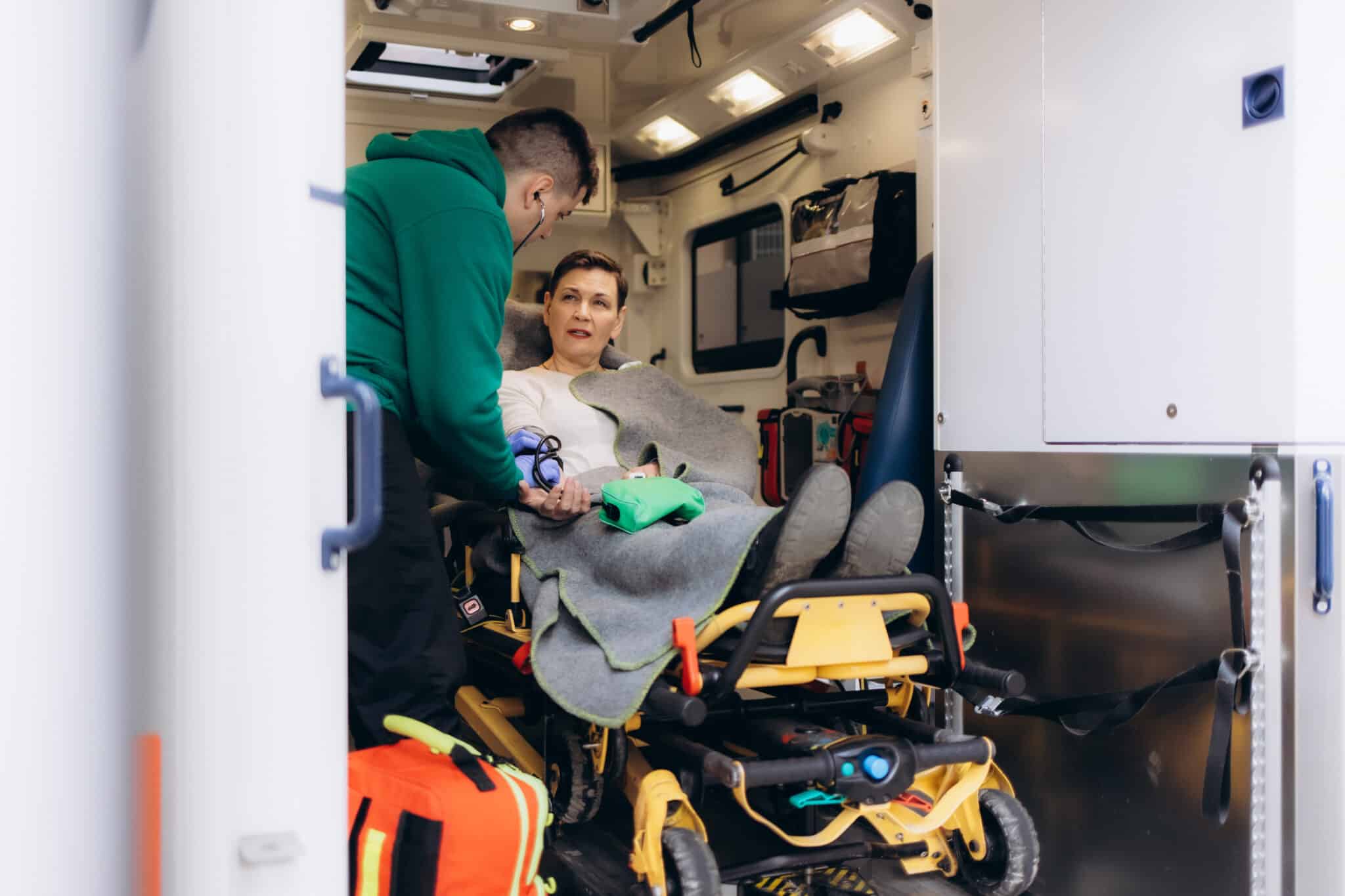
Simulation should seem like work. Lower the lights, add sound, and imitate the pain in your shoulder as you stoop by a safety seat. Run series where the patient does not reply to your initial strategy so you practice escalation without panic. Utilize a metronome for slow ketamine pushes to stop the too-fast hand that welcomes side effects.
Finally, purchase broader knowing. A pain management certificate or a structured discomfort monitoring course exposes you to the biopsychosocial model and multimodal methods. Physiotherapists will certainly grow non-pharmacological methods. Nurses will certainly fine-tune titration in procedural setups. Pre-hospital providers will certainly mesh sedation ranges with transport truths. The very best programs deal with PUAEME008 as an anchor factor and construct exterior with nuance.
The Reward: Calmer Scenes, Safer Transportations, Better Trust
The first time you decrease a patient's 9 out of 10 to a manageable 4 as you fill them, you feel the room modification. Households take a breath. Team members stop enjoying the clock and start thinking two moves ahead. The individual bears in mind that adventure differently, and they are more likely to engage with treatment on arrival. Across numerous cases, this translates right into fewer combative transportations, fewer failed procedures, and fewer unfavorable events.
PUAEME008 Supply Pain Administration educates not only how to push a medication or use a splint, but exactly how to orchestrate the tiny choices that make intense discomfort acceptable without jeopardizing security. It prepares you for the confined areas and incomplete information that define pre-hospital job. Pair it with proceeded pain administration training, seek comments, and maintain refining. The skill is worth the initiative, and the results reveal on every shift.